
WHY Dr DAVID FLETCHER was the canals’ final true custodian, by Alan Yates.
In the long history of Britain’s inland waterways, the divide between those who manage the system and those who navigate it has never been wider.
Last true enthusiast
Today’s Canal & River Trust executives hail from corporate housing, public transport, and charity management—administrators for whom the cut is an asset rather than a way of life. Dr David Fletcher, Chief Executive of British Waterways from 1989 to 2002, was the last true canal enthusiast to hold the reins.
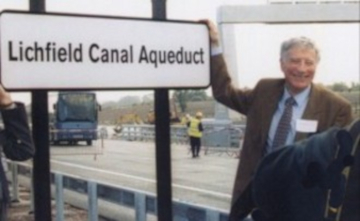 What set Fletcher apart was a practical connection to the water. He didn't view the 2,000-mile network solely through spreadsheets; he navigated it.
Mooring his own narrowboat, City of Gloucester, at Bulbourne Yard on the Grand Union, he was a familiar sight at lock flights. He knew first hand the drag of a shallow channel, a binding paddle, and the skills needed to keep historic civil engineering working.
An intuitive grasp
Owning a boat gave Fletcher an intuitive grasp of operational realities. Decisions on maintenance, infrastructure, and major restorations—including securing Heritage Lottery funding—were made with a boater's eye, preserving an ethos grounded in navigation.
The contrast with the post-Fletcher era is stark. Successors like Robin Evans shifted focus toward property portfolios and charitable status. Under Richard Parry, the operational model moved further from the water—replacing traditional local lengthsmen with volunteer frameworks, centralising maintenance and prioritising towpath leisure over navigation.
When leadership no longer uses the waterways, bankside maintenance, dredging, and functional engineering risk being treated as secondary overheads.
Dr David Fletcher represented the end of an era: a time when the person running the system was part of the community using it. As funding pressures and maintenance backlogs grow, his legacy highlights what the cut has lost.