
PRESTON BROOK TUNNEL is having an inspection to oversee its condition.
This is the tunnel at the western end of the Trent & Mersey Canal where it joins the Bridgewater Canal, with the trust explaining.
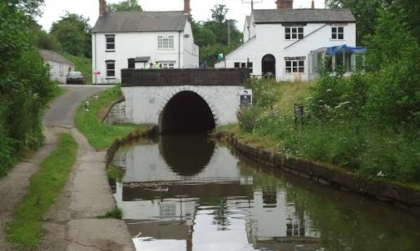 Detailed inspection
We're carrying out a detailed inspection of Preston Brook Tunnel near Dutton, one of the world's oldest canal tunnels still in operation.
Engineers are surveying the 1,138 metre structure using a combination of traditional techniques and cutting-edge technology. {Picture by Pennine Wat4erways.)
Built more than 250 years ago, the tunnel dates from a period that transformed civil engineering. While tunnels had long been excavated for mining, the rapid expansion of Britain's canal network drove the development of large-scale tunnelling techniques that helped shape the construction methods still used today.
Working overnight
To minimise disruption to boaters on the Trent & Mersey Canal, engineers are carrying out the inspection work overnight, allowing navigation through the tunnel to remain open during the day.
Engineers will travel through the tunnel by boat to assess any structural changes that may have occurred, including checking for cracks and damage to the brickwork. Specialist structural engineers will also carry out rope-access inspections of four air shafts and a construction shaft, measuring up to 17 metres deep.
The team will carry out a full hands-on inspection of the tunnel using poles, hammers and spikes, alongside hi-tech equipment including drone fly-through footage and 3D image mapping technology to build a comprehensive picture of the tunnel's condition. Their observations and findings will then be analysed to determine whether any major repairs are required.
Construction of the tunnel began in 1766 under the direction of canal pioneer James Brindley, one of the foremost engineers of the Industrial Revolution. Following Brindley's death, the project was completed by his student and fellow engineer Hugh Henshall in 1775.